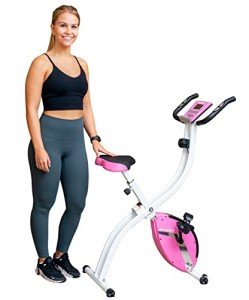
The Ultimate Guide to Fitness Cycles for Home Workouts
In the last few years, the pattern of home workouts has actually thrived, driven by the pursuit of health, wellness, and convenience. One of the most popular tools is the fitness cycle. Not only do they use the benefit of exercising at home, however they also supply several advantages that add to general fitness and well-being. This short article explores the benefits of using a fitness cycle, the various types available, and tips on how to pick the very best one for your requirements.
Advantages of Using a Fitness Cycle
1. Cardiovascular Health
Riding a fitness cycle is an excellent way to engage in cardiovascular exercise. It raises heart rate, enhancing blood circulation and improving heart health. Regular cycling can assist prevent heart problem, decreasing cholesterol levels, and controlling blood pressure.
2. Low Impact Exercise
Unlike numerous high-impact workouts, cycling is mild on the joints. This makes it an appropriate option for those recovering from injuries or those with joint discomfort, allowing them to take part in efficient aerobic activities without causing further tension on their bodies.
3. Variable Intensity Levels
Fitness cycles often come geared up with adjustable resistance levels, permitting users to tailor their workout strength. Whether you are a beginner or a skilled professional athlete, you can effortlessly adjust the settings to match your fitness objectives.
4. Convenience and Flexibility
A fitness cycle in the house removes the requirement for gym memberships and long travel times. This convenience enables users to fit workouts into their schedules more quickly, enhancing adherence to a fitness regimen.
5. Versatile Training Options
With a fitness cycle, individuals can engage in numerous training styles, such as steady-state cycling, high-intensity period training (HIIT), or endurance training. The adaptability makes sure that workouts remain diverse and appealing.
Types of Fitness Cycles
When picking a fitness cycle, it is necessary to comprehend the different types available in the market. Here are the most typical categories:
1. Upright Bikes
- Description: Designed similarly to traditional bicycles, upright bikes require users to keep an upright position.
- Pros: Great for mimicing outdoor cycling; generally more compact.
- Cons: Might be uneasy for longer rides.
2. Recumbent Bikes
- Description: These bikes have a bigger seat and a reclined position that provides more back support.
- Pros: More comfortable for lots of people; suitable for users with back problems.
- Cons: Takes up more area; might not provide as intense a workout as upright models.
3. Spin Bikes
- Description: Designed for high-intensity exercises, spin bikes look like those utilized in indoor cycling classes, including a heavy flywheel for smooth pedaling.
- Pros: Offers a challenging workout; great for those who take pleasure in group classes.
- Cons: Generally less comfortable; not ideal for leisurely cycling.
4. Air Bikes
- Description: These bikes make use of a fan for resistance, indicating the more difficult you pedal, the more resistance you experience.
- Pros: Provides a full-body workout; exceptional for high-intensity training.
- Cons: Noisy; needs more effort and endurance.
How to Choose the Right Fitness Cycle
With a lot of options offered, picking the ideal fitness cycle can be challenging. Here are some crucial factors to consider when making your decision:
1. Space and Size
- Assess just how much space you have readily available for the cycle. Procedure the location and compare it with the dimensions of different bikes.
2. Budget
- Fitness cycles vary in rate. Identify a budget plan and try to find models that fit within that range while satisfying your requirements.
3. Functions
- Search for additional functions that fit your workout style, such as adjustable handlebars, seat convenience, integrated workout programs, and tracking systems.
4. User Weight Capacity
- Ensure the bike can support the weight of all possible users. Online Exercise Bike of fitness cycles indicate an optimum user weight capacity, normally ranging from 250 to 400 pounds.
5. Warranty and Support
- Consider the producer's warranty and client service options. An excellent service warranty can secure your investment in case of defects or problems.
Frequently Asked Questions (FAQs)
Q1: Do I need a bike mat for my fitness cycle?
Yes, a bike mat can secure your flooring from scratches and help keep the bike stable during exercises.
Q2: How typically should I ride my fitness cycle?
For optimal health advantages, goal for a minimum of 150 minutes of moderate activity or 75 minutes of energetic activity per week.
Q3: Can fitness cycles help with weight loss?
Absolutely! Routine cycling can help burn calories and fat, contributing to weight reduction when coupled with a well balanced diet plan.
Q4: Are fitness cycles beneficial for beginners?
Yes, fitness cycles are terrific for novices as they enable users to begin at a comfy speed, gradually increasing strength as fitness enhances.
Q5: How do I preserve my fitness cycle?
Regularly check and tighten bolts, clean the frame, and lube the moving parts to guarantee appropriate working and durability.
A fitness cycle can be an outstanding addition to any home workout routine, providing numerous health benefits while using convenience and versatility. By comprehending the different types available and considering personal needs, individuals can pick the perfect model to improve their fitness journey. With the possible to foster a routine exercise routine, investing in a fitness cycle is a step towards a much healthier lifestyle. Whether the goal is to boost cardio fitness, slim down, or enhance overall wellness, a fitness cycle can yield great outcomes when made use of successfully.